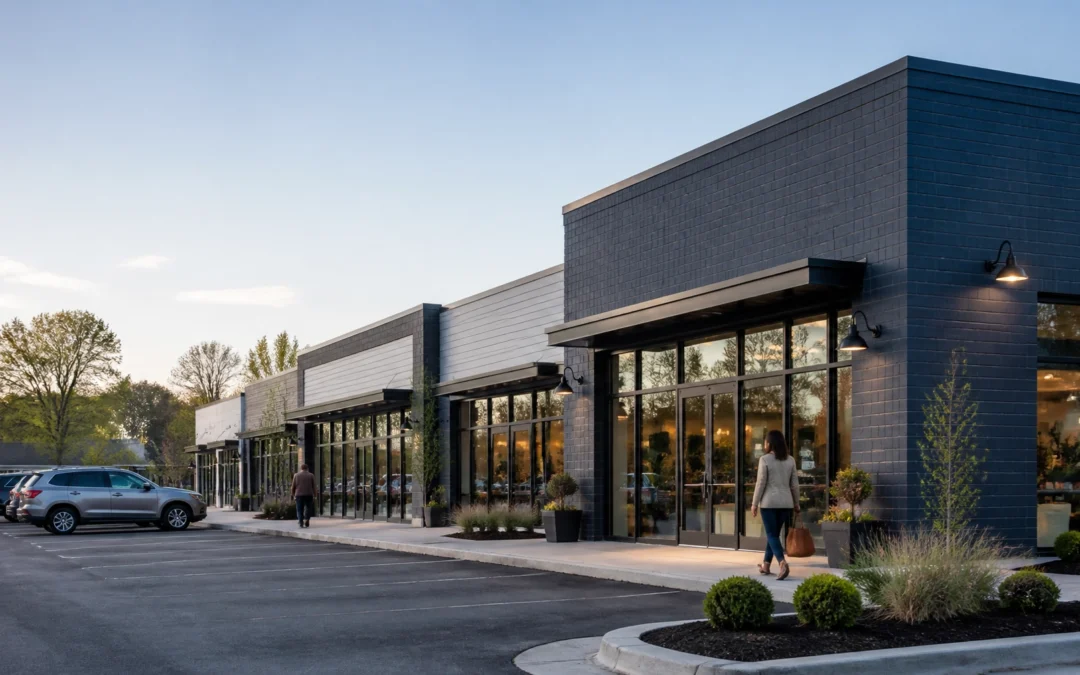
Class B commercial properties are not defined by their limitations. They are defined by their potential.
Across Ohio, older office buildings, neighborhood shopping centers, and infill industrial properties often occupy locations that new construction cannot easily replicate. They may have strong access, established surrounding neighborhoods, and solid structural foundations: but outdated finishes, inefficient systems, weak leasing, or deferred maintenance can hold them back.
That gap creates an opportunity.
With a focused value-add plan and disciplined property management, an overlooked Class B asset can become a modern, efficient, and community-focused hub. The objective is not to renovate for appearances alone. It is to improve the property’s usefulness, reduce unnecessary expenses, attract stronger tenants, and create long-term value.
What Makes a Class B Asset a Value-Add Opportunity?
Class B properties are generally established commercial assets that are functional but no longer competitive with the newest buildings in their market. Some require light improvements, while others need deeper repositioning.
The most attractive opportunities often include:
- Well-located properties with outdated appearances
- Buildings with strong structural “bones”
- Assets with below-market rents or inconsistent leasing
- Properties suffering from deferred maintenance
- Shopping centers with weak tenant mix or poor visibility
- Office spaces that lack flexible layouts and modern amenities
- Industrial buildings with underused space or outdated systems
- Properties where professional management can improve operations
The key is separating fixable problems from fundamental weaknesses. A tired façade, inefficient lighting, poor signage, or weak marketing can often be corrected. A property with limited access, severe environmental issues, or declining surrounding demand may require a more complex strategy.
A thorough property and market assessment should come first.

1. Start With a Complete Property and Market Diagnosis
Revitalization begins with facts: not assumptions.
Before committing capital, evaluate the asset from four perspectives: physical condition, financial performance, tenant demand, and community role.
Physical assessment
Review the condition and useful life of:
- Roof and drainage systems
- HVAC equipment
- Electrical and plumbing infrastructure
- Parking areas and sidewalks
- Exterior façade and windows
- Fire and life-safety systems
- Loading areas and access points
- Signage, lighting, and landscaping
This process should identify immediate repairs, near-term capital needs, and improvements that can directly support leasing or operating savings.
Financial assessment
Analyze the current rent roll, lease expirations, delinquencies, operating expenses, common-area maintenance costs, and capital expenditure history.
Look for opportunities such as:
- Under-market rents
- Unbilled or poorly reconciled operating expenses
- Vacant suites that can be divided or reconfigured
- Excessive maintenance costs
- Parking, storage, signage, or other ancillary revenue opportunities
- Leases that can be improved at renewal
The goal is to understand where income is being lost and which improvements can strengthen net operating income.
Market assessment
Ohio is not one uniform commercial real estate market. A strategy that works in Columbus may not be appropriate for Cleveland, Cincinnati, Dayton, Toledo, Akron, or Youngstown.
Study:
- Nearby competing properties
- Tenant demand by industry
- Traffic patterns and visibility
- Employment and population trends
- Infrastructure improvements
- Walkability and access
- Local business gaps
- Current asking rents and concessions
W. Samaan’s Ohio service areas provide a useful starting point for understanding the communities and markets where local conditions shape commercial property performance.
2. Improve the First Impression Before Overbuilding
A Class B property does not always need a complete reconstruction to compete more effectively. Often, targeted visual improvements can change how tenants, customers, and investors perceive the asset.
Prioritize improvements that create immediate visibility and usability:
- Refresh the entry façade
- Replace dated exterior lighting with efficient LED fixtures
- Install clear, professional monument and directional signage
- Repair and restripe parking areas
- Improve landscaping and seasonal maintenance
- Repaint common areas
- Upgrade entry doors and storefront systems
- Improve lighting, flooring, and finishes in lobbies
- Add consistent wayfinding throughout the property
These improvements are especially important for retail and office properties, where the customer and tenant experience begins before entering the building.
The objective is to create a property that feels cared for, safe, accessible, and ready for business. Small upgrades, executed consistently, can help reposition an asset from “tired” to “credible”: and from overlooked to competitive.
3. Reconfigure Space Around Current Tenant Needs
A strong location can still underperform if the space no longer matches how businesses operate.
Office properties
Many Ohio office tenants want flexibility rather than large, permanent layouts. Consider:
- Smaller move-in-ready suites
- Shared conference rooms
- Collaboration areas
- Improved technology infrastructure
- Comfortable breakout spaces
- Flexible lease terms where appropriate
- Better natural light and indoor comfort
- Hospitality-inspired common areas
The goal is to make the property useful for both focused work and collaboration. A Class B office building with modern functionality can compete for tenants that do not need: and cannot justify: the cost of a top-tier Class A tower.
Retail properties
For neighborhood shopping centers and strip centers, tenant mix is central to long-term performance. Evaluate whether the property serves daily community needs.
Potential uses may include:
- Medical and wellness services
- Childcare and education
- Restaurants and cafés
- Fitness and personal services
- Specialty grocery or food concepts
- Professional offices
- Local retail and convenience services
A carefully curated tenant mix can create cross-traffic, strengthen customer frequency, and make the center more resilient. Our shopping center management services focus on the operational and leasing fundamentals that help Ohio retail centers thrive.
Industrial properties
Industrial repositioning may involve improving loading access, lighting, clear height usability, storage, security, or tenant circulation. In some cases, subdividing a large vacancy into smaller suites can broaden the tenant pool.
The right configuration depends on local demand, truck access, zoning, building systems, and the needs of prospective occupants.
4. Treat Energy Efficiency as a Direct Value Strategy
Sustainability is not simply a branding exercise. In older commercial properties, efficiency improvements can reduce expenses, improve comfort, and support stronger tenant retention.
Start with improvements that have measurable operating benefits:
- Replace outdated lighting with LED systems
- Add occupancy sensors and programmable controls
- Optimize HVAC schedules
- Complete preventative maintenance on mechanical systems
- Install water-saving fixtures
- Improve insulation and air sealing where practical
- Evaluate roof condition and reflective roofing options
- Track utility consumption by building or tenant area
- Improve waste and recycling procedures
A professional energy audit can help prioritize projects by cost, payback period, and impact. Not every building requires an expensive technology overhaul. In many Class B assets, better controls, regular maintenance, and efficient lighting can produce meaningful results.
Sustainability should also be incorporated into tenant communication. Explain how building improvements support comfort, reliability, and operating efficiency. When tenants understand the benefits, they are more likely to participate in responsible energy and waste practices.
5. Strengthen Leasing and Tenant Improvement Controls
Capital improvements create value only when they support occupancy, income, and retention.
Before offering tenant improvement allowances or concessions, establish a clear process:
- Define the target tenant and the value of the lease.
- Obtain a detailed scope of work.
- Separate cosmetic improvements from base-building repairs.
- Include a realistic construction contingency.
- Use qualified contractors and documented bids.
- Tie payments to verified construction milestones.
- Retain approval rights over materials and major work.
- Confirm that improvements support future leasing flexibility.
A tenant improvement package should be designed around the property’s broader business plan. Avoid investing heavily in highly specialized build-outs unless the lease term, tenant strength, and market demand justify the expense.
Lease structure also matters. Depending on the property type and market, owners may be able to improve predictability through operating expense recoveries, common-area maintenance reconciliations, or triple-net structures. These arrangements must be evaluated carefully and documented clearly, but they can help align responsibility for property costs.
6. Make Property Management Part of the Investment Strategy
Revitalization does not end when construction is complete. Without consistent management, a newly improved property can quickly lose momentum.
Effective property management should include:
- Prompt tenant communication
- Reliable rent collection
- Accurate CAM reconciliations
- Preventative maintenance
- Vendor accountability
- Regular property inspections
- Transparent financial reporting
- Proactive leasing support
- Consistent landscaping, cleaning, and snow removal
- Clear emergency and after-hours procedures
At W. Samaan Commercial Real Estate Group, our property management services are designed to protect investments, control expenses, stabilize occupancy, and identify additional value-add opportunities. Strong management turns improvements into lasting performance.

7. Build a Phased Revitalization Plan
The strongest redevelopment plans are ambitious: but disciplined.
A practical phased plan may look like this:
Phase one: Stabilize
- Address safety and urgent maintenance issues
- Improve cleanliness and curb appeal
- Correct leasing and collections problems
- Establish reliable reporting
- Identify the highest-priority capital needs
Phase two: Reposition
- Upgrade entrances, signage, lighting, and common areas
- Reconfigure vacant space
- Improve energy efficiency
- Launch targeted leasing and marketing
- Recruit tenants that strengthen the property’s role in the community
Phase three: Optimize
- Monitor tenant retention and leasing velocity
- Track utility and maintenance savings
- Review rents and expense recoveries
- Add amenities or services based on tenant feedback
- Reassess the property’s long-term hold, refinance, or sale strategy
Phasing helps owners protect cash flow while directing capital toward improvements that can produce measurable results.
The Bigger Opportunity for Ohio Commercial Real Estate
Revitalizing Class B assets is about more than increasing rents or improving an investment statement. It is about restoring usefulness.
A renewed shopping center can give local businesses a place to grow. A modernized office building can support employers and professionals. An improved industrial property can help a local operator expand. A well-managed commercial asset can strengthen the surrounding neighborhood through activity, services, and jobs.
That is the opportunity in Ohio’s overlooked commercial properties: to transform what has been forgotten into something that serves a purpose again.
W. Samaan Commercial Real Estate Group brings a community-focused approach to commercial real estate transformation. Whether you own an underperforming asset, are seeking a value-add acquisition, or need a modernized space for your business, the first step is seeing what the property can become.
Explore properties for sale, review available commercial space for lease, or connect with our team to begin the next chapter for an Ohio commercial property.
Revitalize the overlooked. Transform the opportunity. Build places where businesses and communities can thrive.